
Providing certain criteria are followed it can be well worth running a company classic car but make sure you know what tax rules might catch you out. Let us compare two 1960s classics, the iconic Citroen DS 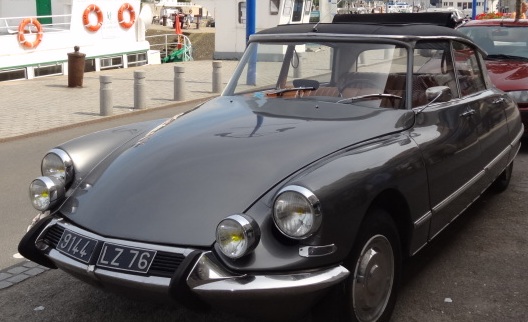 which had many features ahead of its time and the E Type Jag described by Enzo Ferrari as “The most beautiful car ever made”.
Both are becoming more limited in the marketplace but the market price of the Jag is significantly more than the Citroen. Where it may be possible to pick up a Citroen for under £15k, the Jag is likely to come in over £50k, so let us assume a value of four times the Citroen of £60k.
For tax purposes a benefit in kind is assessed on list price multiplied by a specified percentage based on engine size for older cars, however if older than 15 years and market value is greater than £15,000 then market value is used instead. The relevant percentages are:
- 0 to 1,400cc 15%
- 1,401 to 2,000cc 22%
- 2,001 and more 32%
For both of our classic cars the engines are over 2,000cc but the outcome is vastly different:
Car Market value List price new BIK % Benefit value Tax cost 40%
Citroen DS £15,000 £1,450 32% £ 464 £ 186
Jaguar E Type £60,000 N/a 32% £19,200 £7,680
 Even for a less valuable Mk2 Jag there is still a significant tax cost for owning the car. HMRC have tied up one loophole which is that restored market value applies on cars purchased at a lower value then restored. With a little research however it is possible to pick up lesser value company classic cars for very little cost to you as the classic company car driver, but do bear in mind the gradual increase in classic car values which may push you over £15k in the future.
These are examples only, if you have a specific query relevant to your circumstances please seek professional advice before taking any further steps. If you would like advice in this or other areas feel free to call. Alastair Wood, AW Accounting, Gravesend – Accountants who “speak your language”